Professional Operators and the Built Environment
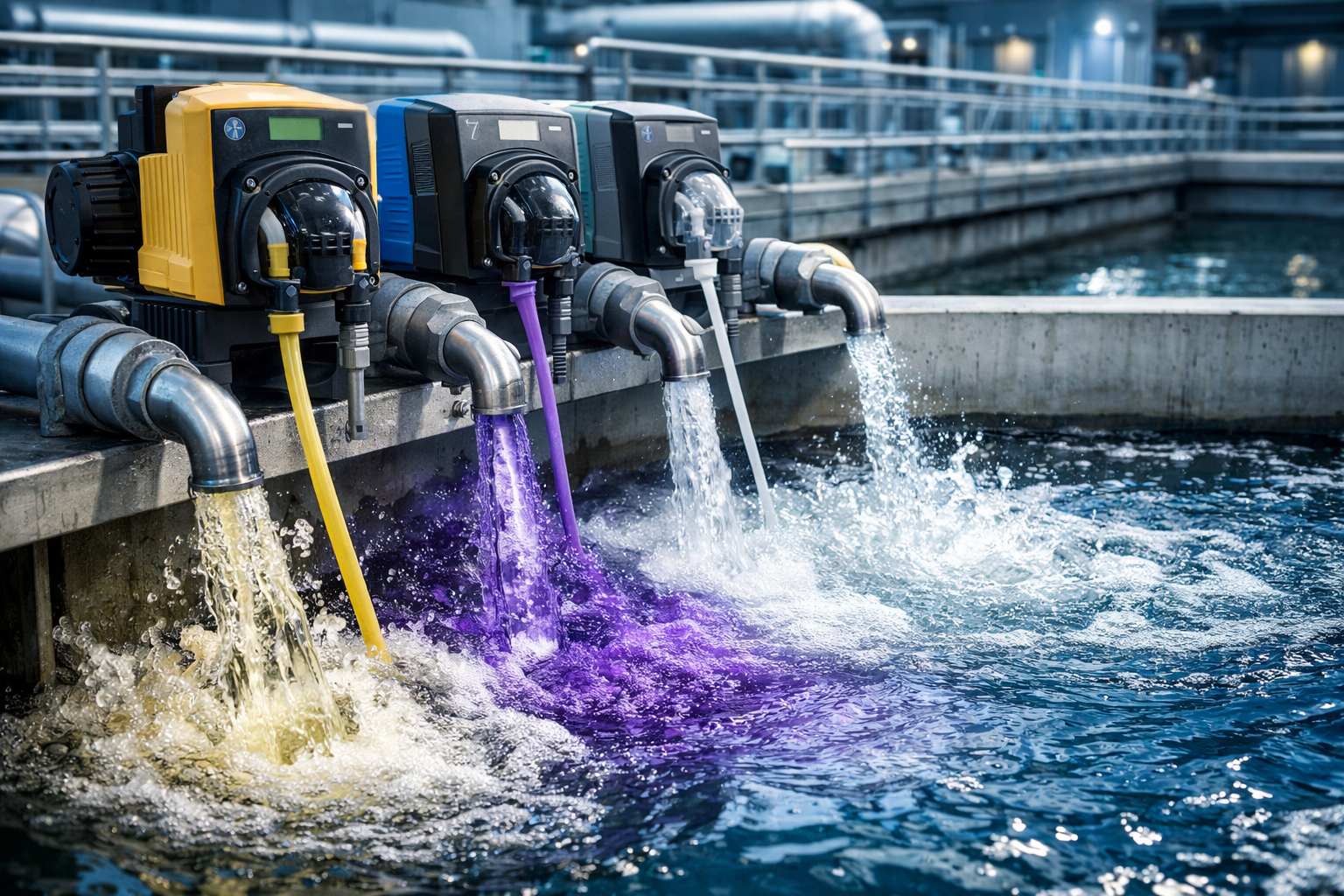
pH control is one of the quiet workhorses of water and wastewater treatment. When it's done properly, everything downstream runs smoothly—coagulation works, disinfection is efficient,…
pH control is one of the quiet workhorses of water and wastewater treatment. When it's done properly, everything downstream runs smoothly—coagulation works, disinfection is efficient,…
pH control is one of the quiet workhorses of water and wastewater treatment. When it's done properly, everything downstream runs smoothly—coagulation works, disinfection is efficient,…
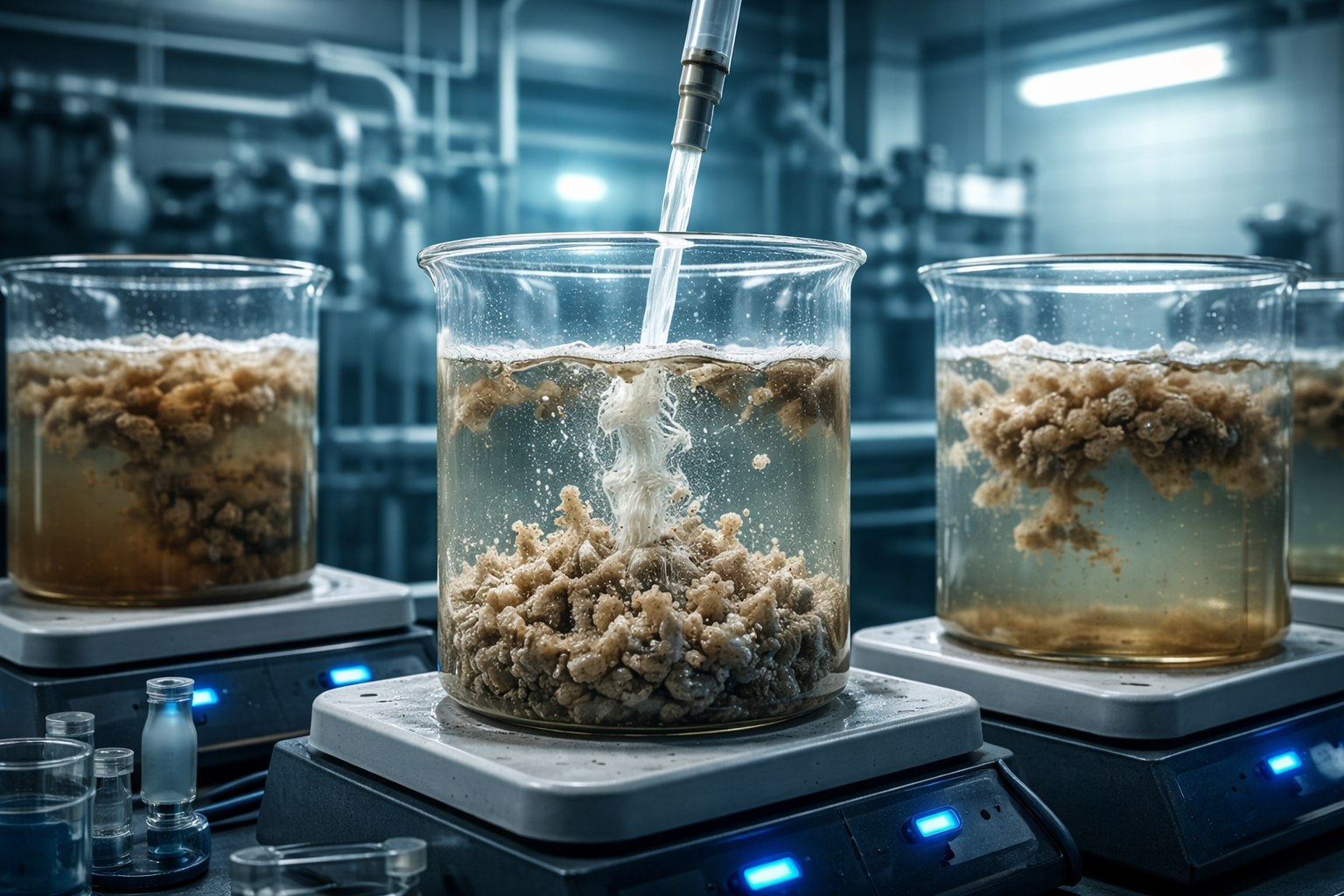
Polymers are essential to modern wastewater treatment, yet they are often the least understood chemical in the plant. Operators know when a polymer is working—cake…
In municipal water and wastewater treatment, disinfection and oxidation are routinely confused as the same function. They are not. Sodium hypochlorite, CAIROX® (potassium permanganate), and…
Refinery wastewater is not simple. BTEX compounds, amines, glycols, sulfides, and high-COD organics simultaneously stress biological treatment systems. Primary lagoons collapse under fluctuating loads. Equalization…
Operators know when a polymer is working — and when it isn't. But the difference between Zetag® 8812S and PCEN-60 isn't one being "better." It's…
No products in the cart.