Your Cart
No products in the cart.
Free shipping on all orders over $450
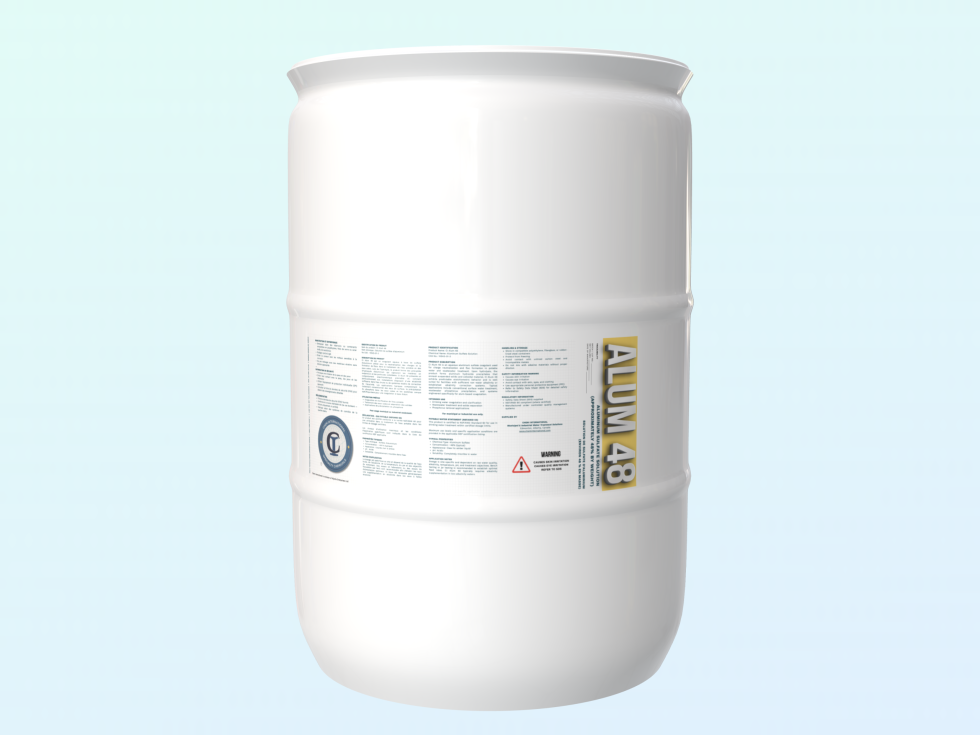
CI Alum 48 is an aqueous aluminum sulfate coagulant used for charge neutralization and floc formation in potable water and wastewater treatment. Upon hydrolysis, the product forms aluminum hydroxide precipitates that enmesh suspended solids and colloidal material. CI Alum 48 exhibits predictable stoichiometric behavior and is well suited for facilities with sufficient raw water alkalinity or established alkalinity correction systems. Typical applications include conventional surface water treatment, wastewater phosphorus precipitation, and systems engineered specifically for alum-based coagulation.
Technical Properties
High-strength aluminum sulfate coagulant for municipal wastewater clarification, solids reduction,
and phosphorus control. Designed for use where operators need a dependable liquid coagulant to
destabilize fine suspended matter, tighten settling performance, improve sludge separation, and
support cleaner overflow from lagoons, clarifiers, polishing systems, or chemical-assist treatment trains.
Liquid aluminum sulfate coagulant for municipal wastewater treatment.
Coagulation, clarification, suspended solids knockdown, and chemical phosphorus reduction.
Primary clarification support, tertiary polishing, phosphorus-control programs, lagoon cleanup support, and upset-condition solids capture where biological treatment alone is not enough.
Faster floc formation, better settling, lower carryover risk, improved effluent appearance, and more stable plant response when feed and mixing are controlled properly.
| Technical Property | Operational Summary |
|---|---|
| Chemical Class | Inorganic coagulant based on aluminum sulfate. |
| Treatment Role | Neutralizes particle charge so fine colloids can come together into heavier floc that settles or can be removed downstream. |
| Primary Targets | Total suspended solids, turbidity, colloidal fines, and soluble/reactive phosphorus when conditions are suitable. |
| System Fit | Useful where wastewater needs chemical help to achieve tighter solids removal or phosphorus compliance, especially during seasonal loading swings or biological underperformance. |
| Feed Method | Typically metered by chemical feed pump into a point with immediate turbulence and controlled downstream flocculation. |
| Mixing Requirement | Needs rapid initial mixing to disperse the coagulant, followed by gentler downstream contact to build floc without shearing it apart. |
| pH Sensitivity | Performance depends heavily on wastewater chemistry; overdosing or poor pH control can reduce efficiency and create avoidable sludge load. |
| Sludge Impact | Improves solids capture but increases chemical sludge generation; operators should plan for the downstream solids burden rather than pretending it is free removal. |
| Control Strategy | Best managed through jar testing, plant trending, and staged dose adjustment against actual influent conditions, not fixed habit dosing. |
| Compatibility | Can be used alone or alongside polymers where stronger floc density, settling speed, or dewatering performance is required. |
Solvent-Free Odor Counteractant for Wastewater and Solid Waste Environments CI Lemon Fury is a solvent-free…
Support Biological Performance in Cold Wastewater Lagoons CI ColdZone BioLift is a cold water lagoon…

Calcium Hydroxide CI Hydrated Lime is a high-reactivity calcium hydroxide powder used for bulk alkalinity…
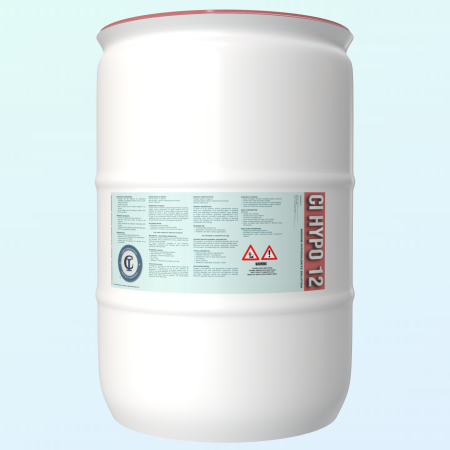
Sodium Hypochlorite (≈12%) CI Hypo 12 is a liquid chlorine disinfectant that generates hypochlorous acid…
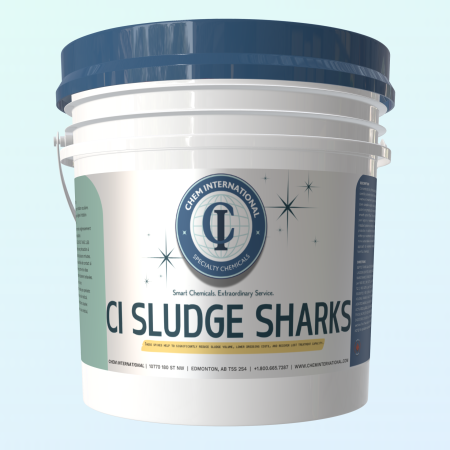
Enzyme-Activated Biological Spikes for Targeted Sludge Reduction in Wastewater Lagoons CI Sludge Sharks are a…
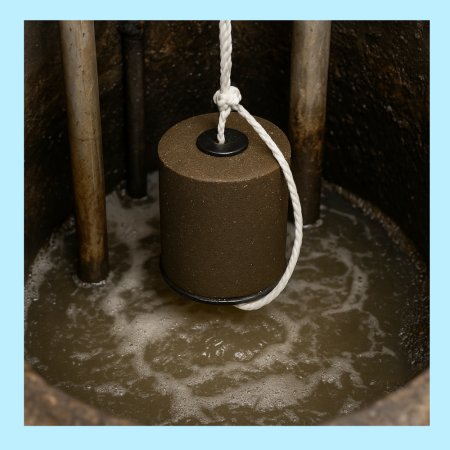
Smart Bacterial Block for Automated Grease and Odor Control CI BioLink Lift Station is a…
No products in the cart.